Legal Video – Preserving The Record
Legal videographers are an essential part of the legal system, providing an unbiased and accurate record of legal proceedings.
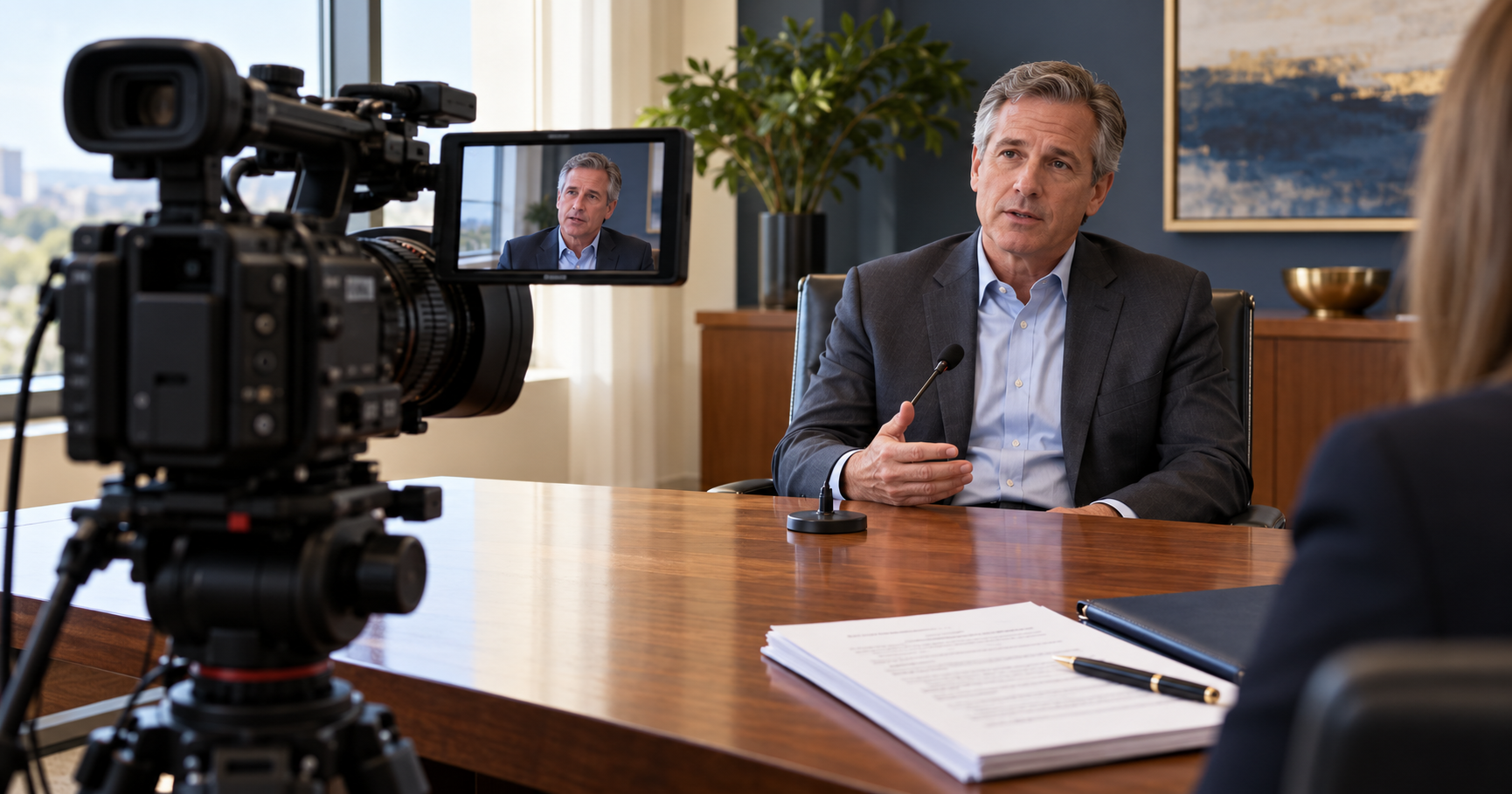
Legal videographers give the legal system an unbiased, accurate record of what was said and done. They capture and preserve video of depositions, trials and other proceedings, and that footage can be used as evidence in court.
Why video matters
Video evidence plays a bigger role in the legal system than it used to. In many cases, footage gives a more accurate account of events than a written transcript or verbal testimony. That is especially true when a witness's account is in dispute, because video provides a clear and unbiased record of what was said and done.
Capturing what a transcript can't
A deposition is more than words. Facial expressions, body language and tone of voice are hard to capture on paper, but a legal videographer records all of them. The result is a more complete picture of the proceeding.
Supporting witness and expert testimony
Video can confirm or contradict a witness's testimony, which helps establish how credible and truthful that witness is.
It can also support expert testimony. When an expert is called to give an opinion, a legal videographer can record that testimony, creating a visual record of the expert's qualifications and the basis for their opinions. This applies in many fields. In a medical malpractice case, for example, a videographer can capture the testimony of the medical experts in the same way.
Remote and hybrid videography
Legal videographers also offer remote videography, capturing the proceeding through videoconferencing or live streaming. This helps when the proceeding takes place in a remote location, or when not everyone can attend in person.
Hybrid videography combines in-person and remote coverage. The videographer records on site and provides a remote feed to the other parties, so everyone can take part fully even if they are not at the deposition location.
Editing and transcription
Some legal videographers also offer video editing and transcription, which can be used to produce a final video product for use as evidence. These services help when footage needs to be edited for content or length, or when a written transcript of the proceeding is needed.
A complete record
Legal videographers offer a wide range of services to meet the needs of their clients. Whether the proceeding is in person, remote or hybrid, they capture and preserve an accurate, unbiased record that can be used as evidence in court.
One partner for every proceeding — deposition through trial.
Most agencies are set up within a day. Tell us what your calendar looks like and we'll take it from there.